

Two Decades in Meter Proving: Why This Work Still Matters More Than Ever
I’ve been working in the meter proving space for over 20 years—long enough to see the shift from handwritten logbooks and analog pulse counters to real-time SCADA and cloud-based calibration records. But here’s the thing: even with all that evolution, the core truth hasn’t changed. If your meters aren’t proven right, your numbers aren’t real.
In Alberta’s oil and gas sector, where every cubic metre and every decimal point matters, meter proving isn’t just good practice—it’s your first line of defense against financial loss, compliance failures, and operational chaos.
You Don’t Just Prove a Meter—You Prove the Integrity of Your Operation
The first thing I tell new techs is that meter proving is about far more than gear. Sure, we’ve got tools, standards, and flow computers now that do things I couldn’t have dreamed of in the early 2000s. But if the reading’s off—even slightly—then you’re either losing money or over-reporting volumes. And either scenario gets expensive quickly.
I’ve seen what happens when proving is treated like a back-burner task. Deferred production, partner disputes, audit headaches—take your pick. Proving, when done right, keeps your balance sheets honest and your production transparent. It’s why operators bring in specialized meter proving services tuned to Alberta’s regulatory environment, not just ticking a box.
Inline Meter Proving Used to Raise Eyebrows—Now It’s a Lifesaver
There was a time when people thought inline meter proving was a shortcut. I used to hear, “Yeah, but is it as accurate as pulling the meter out?” Today, I use inline meter proving at dozens of sites, and for the right conditions—steady-state flow, proper setup—it’s not just effective, it’s operational gold.
We’ve saved days of downtime by proving inline instead of scheduling a shutdown. And yes, it holds up under audit, as long as your procedure is locked in and the traceability is airtight. The fact is, proving doesn’t have to mean disruption—it should mean validation.
You Can Have the Best Tech in the World—But It’s Still a Human Job
Even with all the automation, proving is still a boots-on-the-ground job. It’s about understanding what the system is telling you, what the fluids are doing, and where drift is starting to creep in. I’ve walked into sites with shiny SCADA dashboards only to find a 10% deviation in throughput because no one had validated the base meter in eight months.
That’s where a solid Meter maintenance tracking system makes all the difference. It’s not just a scheduler—it’s your historical ledger, your compliance safety net, and your accountability tool when things don’t add up.
Flow Meter Calibration Isn’t a Once-a-Year Chore
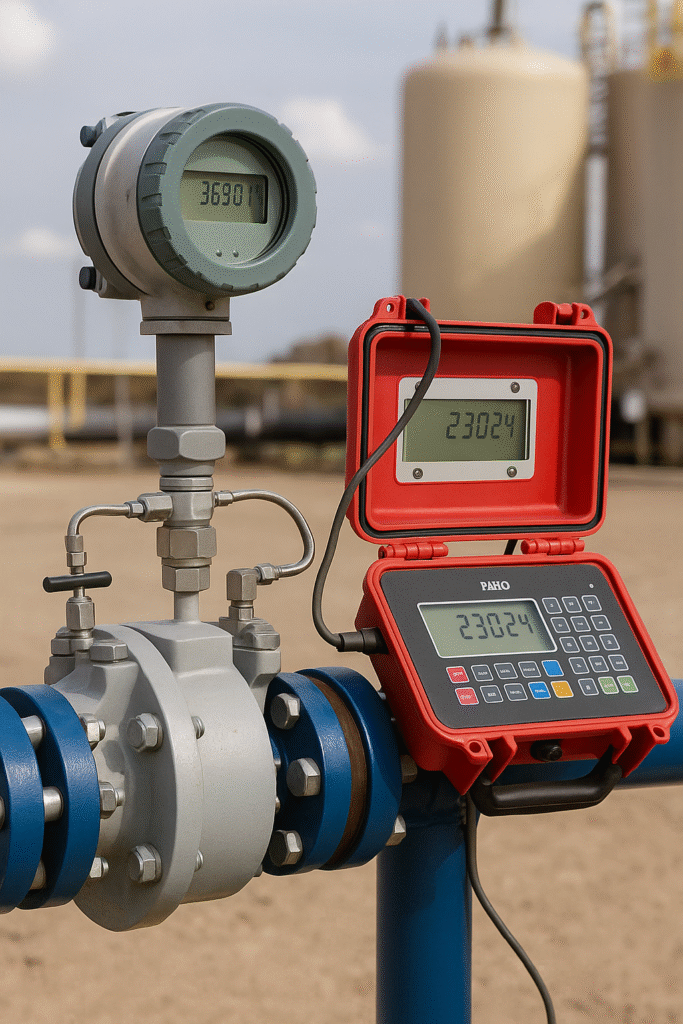
This is something I’ve hammered home for years: calibration drift is real. Especially in the field, where temperatures swing, densities shift, and older meters just wear down. I’ve seen “calibrated” meters fail by a mile when checked against a certified prover.
Flow meter calibration services need to be part of your operational cadence—not just something you squeeze in during a turnaround. I’ve personally caught variances that saved operators tens of thousands of dollars in misbooked production. And more importantly, it kept them on the right side of EPAP and Directive 017 compliance.
Alberta’s Regulations Don’t Just Expect Accuracy—They Demand Systems
If you’re working in Alberta, then you already know this: it’s not just about proving the meter. It’s about proving that your process works. AER, EPAP, Directive 060—these aren’t just guidelines. They expect defensible data, digital trails, and systems that can withstand forensic audits.
Back in the day, you could walk through an audit with a pile of paper records and a good memory. Not anymore. If your proving intervals are undocumented, or your MARP isn’t up to date, you’re rolling the dice. That’s why I’ve moved to digital systems that track not just what was done—but why, when, and how it ties into reporting obligations.
The Cost of Not Proving
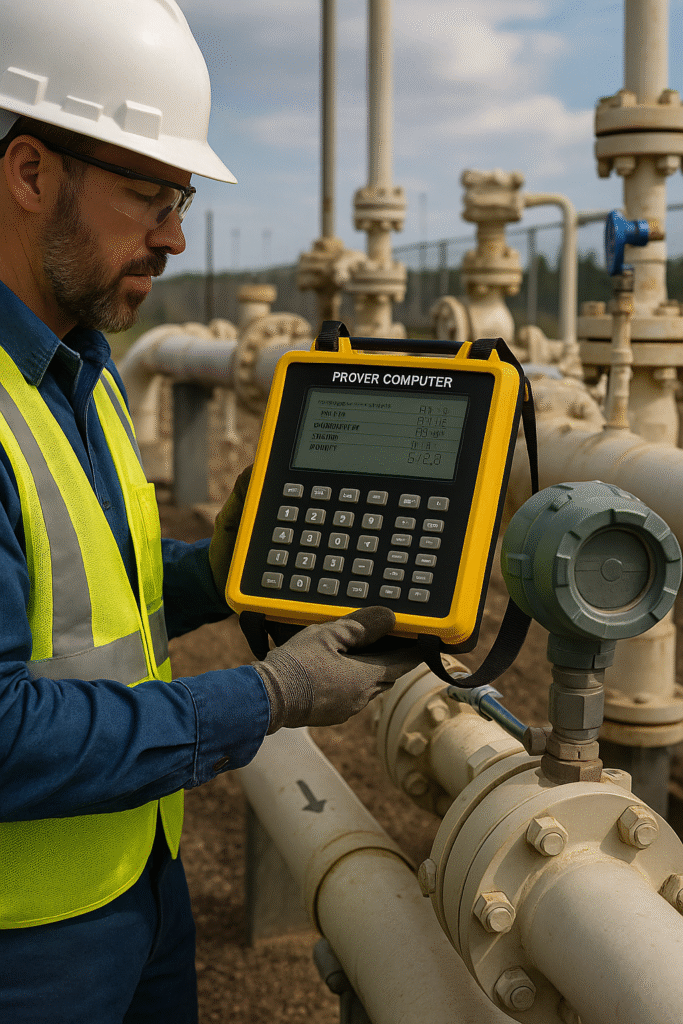
I’ve seen the cost of neglect firsthand. One site I supported had a partner challenge their allocated volumes after noticing consistent discrepancies. Turns out, the meters hadn’t been proved in over a year. They had to retroactively adjust 11 months of data, leading to clawbacks, rebooking of royalties, and a very unhappy partner operator.
Contrast that with another operator I work with who has proving built into their monthly cycles. Their volumes reconcile like clockwork, they fly through audits, and their partners trust the numbers. Same equipment, same terrain—just different discipline.
Where the Real Value Is
After two decades, here’s what I’ve learned: proving isn’t about perfection—it’s about predictability. It’s about knowing your system is working, your volumes are defendable, and your operation is tighter than the spec requires.
You don’t prove because you have to—you prove because your production, your reporting, and your team’s credibility depend on it.
Final Thoughts from the Field
This work still matters. Maybe more now than ever, with rising environmental scrutiny, tighter margins, and data flying everywhere. But behind all the tech and telemetry, meter proving is still about one thing: truth. What’s actually moving through the pipe, and whether you can back it up.
So yeah—I still believe in proving. I’ve seen what happens when it’s done right. And I’ve seen the mess when it’s not.
If you’re in Alberta, if you’re responsible for volumes, and if you’re trying to stay ahead of the regulator and ahead of the game, then proving isn’t just a task. It’s part of your infrastructure.
And after 20 years, I’m still glad to be in the thick of it.