
Ask an operations team when the last gas sample was taken at a meter and you will often get a pause. The answer sits in a spreadsheet, or in a lab report two inboxes away. That pause is where most sampling problems start, because the schedule is not complicated. It is just easy to lose track of when you have dozens of meters and a few different facility types.
Where the schedule comes from
In Alberta the rules are in Section 8 of the Alberta Energy Regulator’s Directive 017. The edition in force today was released on September 28, 2026 and replaced the one from December 2024. The only change this time was to Section 11, where the monthly sulphur balance report moved to Petrinex, so the sampling rules read the same as before.
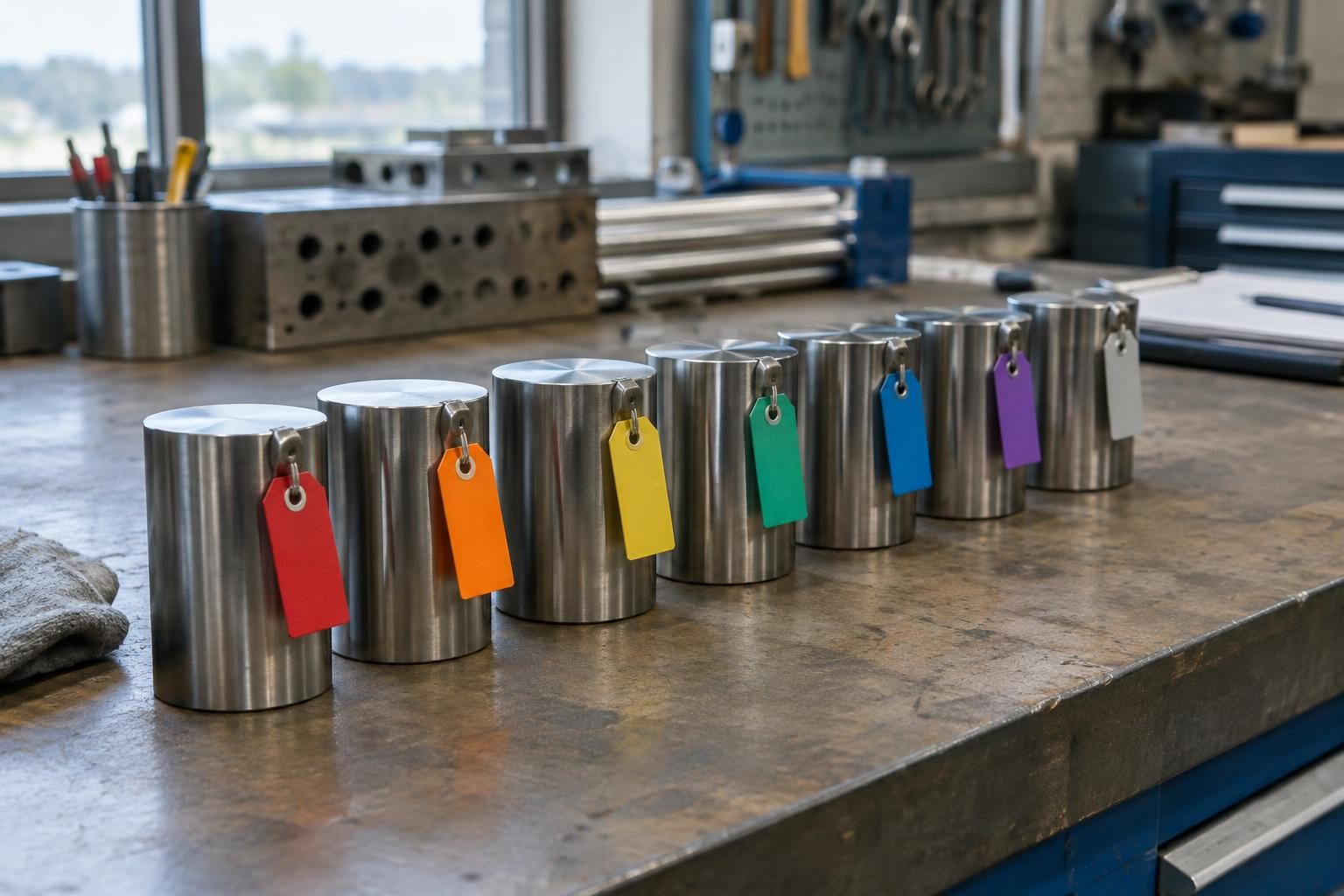
The reason the rules exist is practical. Gas volumes are calculated from density and composition. If the composition on file is old, every volume that depends on it drifts, and the directive expects the analysis used for volumes to be the same one used in production accounting. Whoever takes and analyses the samples for a producer is really supplying the inputs to that calculation.
Reading Table 8.3
The directive sets a frequency for each type of facility, and the frequencies are written in calendar terms rather than days. Annual means at least once in every four calendar quarters. Biennial means once in every eight. A sample taken in July is still on time if the next one lands any time before the end of the matching quarter two years later.
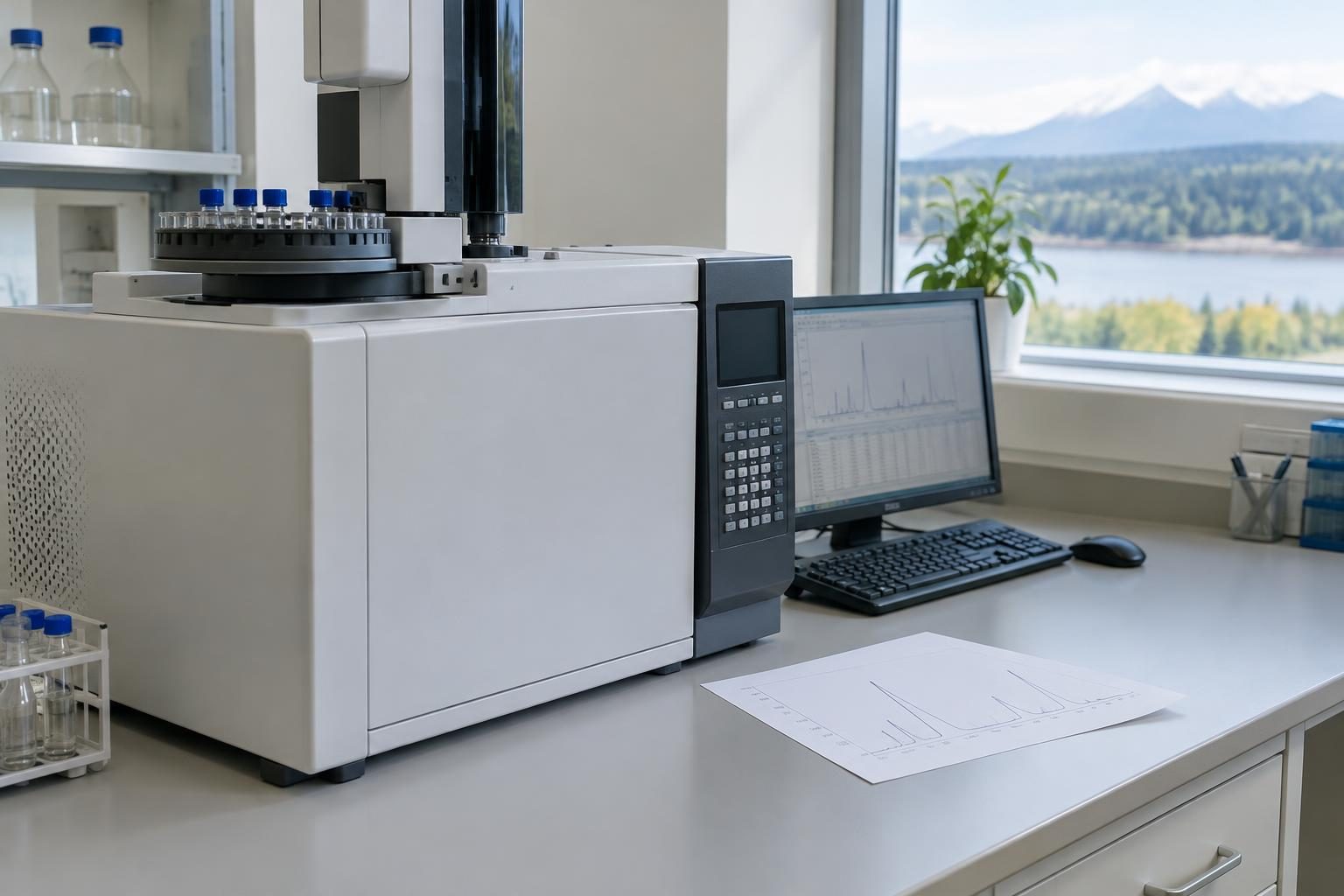
The main patterns for gas are these:
- Gas plants: semiannually at each accounting meter.
- Gas sales and delivery points: annually at each meter.
- Gas batteries with condensate or oil: annually above 16.9 thousand cubic metres a day, biennially at or below it.
- Gas batteries with no condensate or oil: annually for the first year, then biennially.
- Gas storage schemes: in the first month, then semiannually.
- Conventional oil batteries: annually or biennially depending on the same 16.9 threshold, and a one-time initial sample where gas is only flared.
New wells and measurement points need their first samples by the end of the month after the first month of production. Until the result arrives, a substitute composition from a similar well in the same pool can be used. If the actual analysis changes the volumes, the correction is a regular amendment job in Petrinex.
What a valid sample looks like
Frequency is only half of it. The directive says gas sampling must follow API MPMS 14.1 or GPA Midstream Standard 2166, or an equivalent method. The sample point has to be representative and accessible, probes stay out of the meter’s straight run, transfer tubing is kept short and drained of liquids, and nothing in the handling can let air into the cylinder. The analysis itself goes to C7+, with composition to four decimals as a fraction.
Spot samples are acceptable if the volume uncertainty limits in Section 1 are still met. If composition swings enough to push volumes past those limits between samples, the directive expects more frequent sampling, a proportional sampler or an online chromatograph. Operating changes count too. Adding compression, adding or removing a source in a common stream, or recompleting a well all call for a fresh analysis whatever the calendar says.
Where operators slip
The same few misses come up again and again:
- A lab report arrives but the new composition is not loaded into the accounting system by the end of the following month.
- A change to a facility is made, with no sample triggered by it.
- Sample points are untagged, though the directive requires clear identification.
- One analysis is reused across meters that no longer share a common stream.
A tracking sheet with meter, facility type, last sample date and next due quarter solves most of it. If that list is long, bringing in outside fluid sampling and analysis services is a reasonable way to keep it current without taking field staff off other work. Whichever route you take, check the actual directive for your facility type before you plan the year, since the details by configuration are in the sections that follow the table.